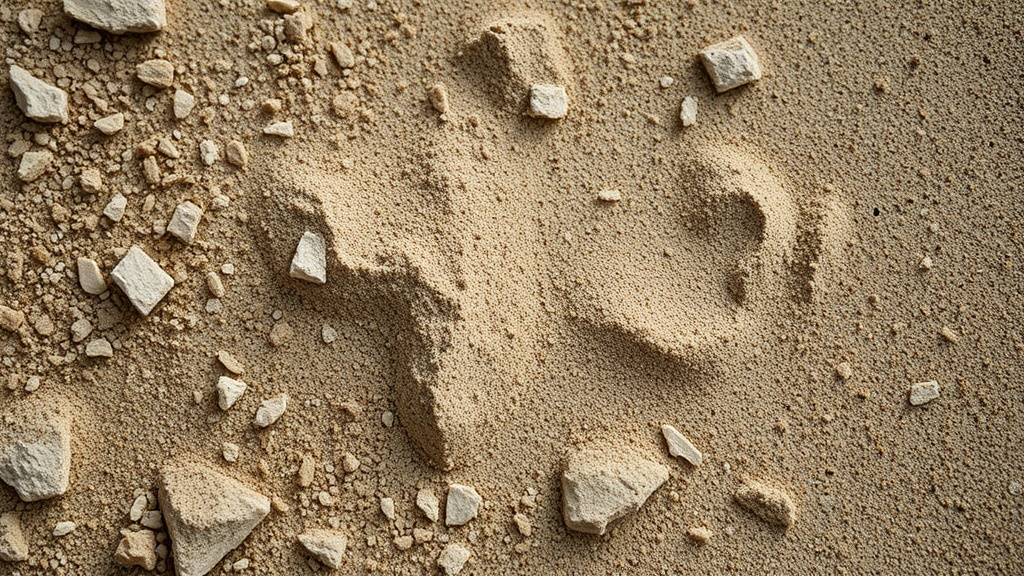
Mixing Textures with Found Sand and Gesso

Most artists believe that adding texture to a canvas requires expensive, store-bought modeling pastes or heavy-body acrylic gels. That's a mistake. You can achieve professional-grade, tactile surfaces using nothing more than common sand found in your backyard or at a local beach and a standard tub of white gesso. This technique creates organic, unpredictable topography that synthetic pastes often lack. We're going to look at how to mix these materials, the ratios required to prevent cracking, and how to ensure your surface remains stable under paint.
Texture isn't just about looking "bumpy." It's about how light hits the surface. A flat layer of paint can look dull, but a surface with grit and depth catches the light from different angles, giving your work a sense of life. It's the difference between a flat photo and a physical object.
How Do You Mix Sand with Gesso?
The simplest way to mix them is to stir the sand directly into a small amount of liquid gesso until you reach a thick, paste-like consistency. You don't want a soup; you want a heavy slurry. If the mixture is too thin, the sand will settle to the bottom of your container, leaving the top part of your canvas looking empty and the bottom looking like a desert. (Trust me, I've wasted plenty of good gesso doing exactly that.)
Start with a small amount of gesso in a disposable plastic cup. Add your sand in small increments. A good starting point is a 1:1 ratio by volume, but you'll need to adjust based on the grain size of your sand. Fine sand behaves more like a thick cream, while coarse, jagged sand requires much more binder to hold it together. If you're using very fine sand, you might even find that a 2:1 ratio of gesso to sand works best for a smoother, more controlled application.
Use a palette knife or a cheap silicone spatula to fold the sand into the gesso. Don't just stir it in circles; fold it. You want to ensure every single grain of sand is coated in the white pigment of the gesso. This coating is what makes the texture permanent and prevents the sand from falling out of the paint later. If the sand isn't fully encapsulated, it will eventually flake off—a common frustration for beginners.
If you're worried about your tools, remember that this process is messy. I usually recommend using an old metal palette knife rather than a nice synthetic one. You don't want to get grit stuck in the bristles of an expensive brush later. If you're working with liquid mediums, you might find it helpful to know how to revive dried acrylic paint if your mixture gets too thick too quickly.
Choosing the Right Sand
Not all sand is created equal. The type of "grit" you choose dictates the final look of your art. Here is a breakdown of common types and their effects:
| Sand Type | Visual Texture | Difficulty Level |
|---|---|---|
| Fine Play Sand | Subtle, grainy, almost like sandpaper | Easy |
| Coarse Beach Sand | Rugged, uneven, high relief | Moderate |
| Crushed Silica/Quartz | Sparkling, sharp, very high texture | Difficult |
| River Silt/Fine Grit | Smooth, organic, subtle bumps | Easy |
If you use very large, heavy pebbles, gesso alone won't hold them. For heavy-duty texture, you'll need a stronger binder or a dedicated gesso product designed for heavy impasto. For most mixed-media projects, fine or medium sand is the sweet spot. It provides enough "tooth" for paint to grab onto without making the canvas too heavy or unstable.
What Is the Best Ratio of Sand to Gesso?
A ratio of one part sand to two parts gesso is the safest starting point for most artists. This ensures there is enough binder to keep the grains suspended and stuck to the canvas. If you add too much sand, the mixture becomes a dry, crumbly mess that won't adhere to the surface. If you add too little, the texture will be almost invisible once the paint is applied.
It's a balancing act. If you want a heavy, sculptural effect, you can push the sand content higher, but you must apply it in thin layers. A single, thick "clump" of sand and gesso is much more likely to crack as it dries than three thin layers. Think of it like building a wall—layering is always safer than one massive pour.
One thing to keep in mind is the weight. Sand is heavy. If you're working on a standard canvas, a massive amount of sand-infused gesso can actually cause the canvas to sag or even rip if the tension isn't high. I usually prefer working on wooden cradled panels when I'm doing heavy texture work. It provides a rigid support that won't bow under the weight of the grit.
Wait for the first layer to dry completely before adding a second. This is non-negotiable. If you apply a wet layer over a damp one, you'll trap moisture underneath, which leads to mold or peeling. If you find your texture is looking a bit too "flat" after the first layer, you can always add a second layer of the mixture to build up the height.
Common Mistakes to Avoid
- Using wet sand: If your sand is damp, the moisture will weaken the gesso and cause it to crack or peel. Always dry your sand in an oven or under the sun before mixing.
- Over-mixing: If you stir too aggressively, you might introduce air bubbles. These bubbles will show up as tiny holes in your finished texture.
- Ignoring the "tooth": If you use too much sand, the surface might become too abrasive for your brushes. Be careful when painting over the texture with a soft brush.
- Applying too thick: A single 1-inch thick layer of sand-gesso will almost certainly crack. Stick to layers of 1/8th of an inch.
How Do You Paint Over Textured Surfaces?
Once your sand-and-gesso layer is dry, you can treat it like any other surface, but you have to be mindful of your brushwork. The texture will naturally "eat" your paint, pulling it into the crevices and leaving the high points exposed. This is actually a great way to create depth, but it requires a bit of technique.
I recommend using a "dry brush" technique for the final layers. This involves taking a brush with very little paint on it and lightly skimming the surface. This hits the high points of the sand and leaves the low points untouched, which creates a beautiful, weathered look. If you try to push a lot of wet paint into the gaps, you'll end up with a muddy mess where the texture is lost.
If you're using acrylics, you have a lot of flexibility. You can use a wash of thin paint to sink into the grains, or a thick impasto stroke to sit on top. If you're working with watercolors or gouache, be extremely careful. Gesso is water-resistant, but if the sand has created deep "pockets," the water might pool there and cause issues with your paper or canvas. If you're worried about your pigments, you might want to check out how to keep your gouache smooth to ensure your colors stay vibrant even over a rough surface.
One trick I use is to use a matte medium or a clear acrylic glaze over the texture before I start painting. This "seals" the sand in place and creates a uniform surface that is much easier to paint on. It also prevents any loose grains from getting into your paint jars or onto your palette. It's an extra step, but it's a smart one if you want a clean finish.
The beauty of this method is that it's completely customizable. You can use a sponge to dab paint into the texture, or a stiff-bristled brush to scrape it away. The texture is your playground. Don't be afraid to experiment with how different colors interact with the shadows created by the sand. The more you play with it, the more you'll understand how to control the final result.