Save Your Brushes with a Simple Salt Soak

Quick Tip
A gentle salt soak can dissolve stubborn pigment buildup that standard water rinsing misses.
A single drop of dried acrylic paint can ruin a high-end brush tip in minutes. Most artists don't realize that once paint hardens inside the ferrule, the brush is essentially dead. This tip focuses on using a simple salt soak to dissolve stubborn pigments and restore your tools before they hit the trash bin.
How Do You Clean Dried Acrylic Paint from Brushes?
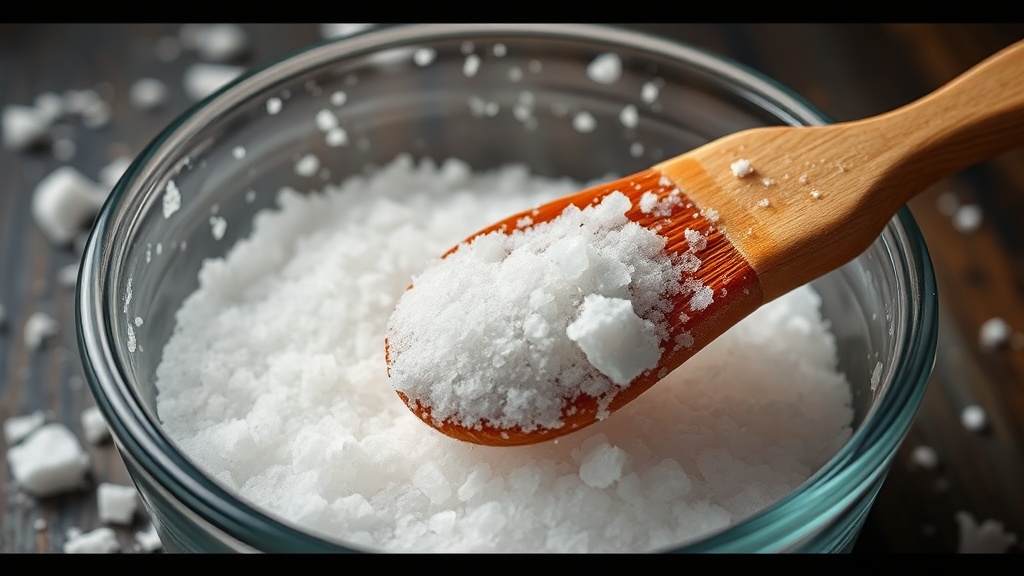
You can clean dried acrylic paint by soaking the bristles in a solution of warm water and fine-grain sea salt. Salt acts as a gentle abrasive and a solvent that breaks down the polymer chains in the paint. It’s a much cheaper alternative to buying specialized chemical cleaners every time you ruin a set of brushes.
Don't just dunk the whole brush in. You want to be careful about the metal part (the ferrule) because excessive moisture can loosen the glue holding the bristles. I’ve seen too many people lose a perfectly good brush because they let the water creep up into the handle.
Follow these steps for the best results:
- Fill a small glass jar with lukewarm water and two tablespoons of fine sea salt.
- Submerge only the bristles—keep the metal ferrule above the water line.
- Let it sit for 15 to 30 minutes.
- Gently swirl the brush in the solution to work the salt through the fibers.
- Rinse thoroughly with clear, running water.
What Kind of Salt Works Best for Art Supplies?
Fine-grain sea salt or even standard table salt works best because the small crystals can penetrate the tightest bristle clusters. Larger salts, like kosher salt, might be too coarse and could actually damage delicate synthetic hairs. If you're working with high-end brushes like those from Winsor & Newton, you want to be extra gentle.
The salt works by disrupting the bond of the dried medium. It's a physical process as much as a chemical one. If you're a watercolorist, you might already be familiar with how pigments behave, but acrylics are a different beast because they are essentially liquid plastic. If you want to get back to the basics of pigment control, check out my previous post on mixing your own watercolor pan sets.
Is a Salt Soak Better Than Soap and Water?
A salt soak is often more effective for deep-seated, dried-on paint than soap alone, though they serve different purposes. Soap is great for daily cleaning, but salt is your heavy hitter for "emergencies."
| Method | Best For | Risk Level |
|---|---|---|
| Soap & Water | Daily cleanup/wet paint | Very Low |
| Salt Soak | Dried-on pigments | Moderate (if left too long) |
| Brush Restorer | Heavy industrial buildup | High (can dry out hair) |
Worth noting: if you use this method, always reshape your bristles while they are still damp. Once they dry in a splayed-out position, they'll never hold a fine point again. It's a simple way to keep your studio-grade tools in working order without spending a fortune on replacements.