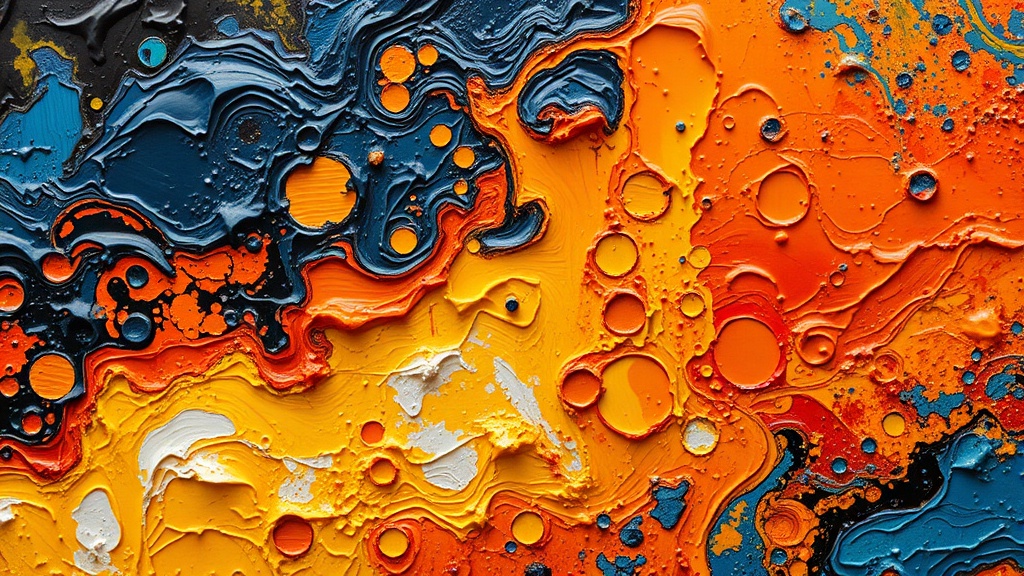
Working with High-Viscosity Acrylic Mediums for Surface Texture

Why Texture Often Fails in Acrylic Painting
Most people think that if they want a thick, textured surface, they just need to scoop up a massive glob of paint and slap it onto the canvas. That's a mistake. If you rely solely on high volumes of pigment-heavy paint to create depth, you'll likely end up with a surface that cracks, peels, or simply refuses to dry. Real texture—the kind that catches light and holds its shape—comes from using specialized mediums rather than just more paint. This post covers how to use heavy body acrylics and modeling pastes to build physical dimensions without losing the structural integrity of your work.
The difference between a flat painting and one with physical presence is often the ratio of binder to pigment. When you use a medium, you're adding a clear, viscous substance that provides the 'body' while allowing you to control the finish. If you don't understand the chemistry of what you're applying, your hard work might literally fall off the canvas in six months. We're looking at the mechanics of building up layers that stay put.
What Are the Best Mediums for Building Thick Layers?
If you're looking to create raised-relief effects, you need to choose your tool based on the final look you want. There isn't a one-size-fits-all solution here. For a smooth, sculptural look, a heavy modeling paste is your best bet. For something with more translucency or a slightly more organic feel, a gel medium works wonders.
Here is a quick breakdown of common textures and the tools used to achieve them:
| Desired Effect | Recommended Medium | Application Tip |
|---|---|---|
| Smooth, sculptural relief | Modeling Paste | Apply with a metal palette knife |
| Glossy, thick impasto | Heavy Gel Medium | Use for deep, transparent layers |
| Matte, stony texture | Texture Paste | Mix with sand or grit for more grit |
| Gloss Gel | Great for fine-line detail |
A common error is trying to use too much color too early. If you start with a thick layer of colored paint, the drying process can be uneven. Instead, build your texture with a clear or white medium first, let it dry completely, and then apply your color. This keeps the structure stable. You can learn more about the chemical properties of acrylic binders through resources like Liquitex, which provides deep technical details on how different mediums react to air and light.
Can You Mix Sand or Other Materials into Acrylics?
Yes, you can, but you have to be careful about the weight. Adding heavy materials like sand, coffee grounds, or even tiny beads into your paint can cause the paint to lose its adhesive strength. If the mixture becomes too heavy, the medium might crack as it cures. To prevent this, you should mix your additive into a clear modeling paste rather than the paint itself. This ensures the 'glue' is strong enough to hold the weight of the grit.
When working with these mixed-media approaches, keep these three rules in mind:
- Don't overwork the surface: Once you've laid down your textured paste, leave it alone. Constant poking and prodding will ruin the set.
- Watch the drying time: Thick applications take much longer to dry than flat washes. A half-inch layer of paste might take days, not hours.
- Layering is key: Never try to build a massive mountain of texture in one go. Build it up in thin, manageable increments.
If you're worried about the structural integrity of your canvas, check out the guidelines provided by the Archival Quality standards. They offer insights into how materials age and how to ensure your art remains stable over time. Using a high-quality gesso as your base layer is also a non-negotiable step if you plan on using heavy-bodied mediums.
How Do You Create a Smooth Surface with Heavy Paste?
It’s a common frustration: you want a raised, textured look, but you end up with a bumpy, messy surface. The trick is in the palette knife technique. Instead of 'painting' the paste on, you should be 'spreading' it. Think of it like spreading frosting on a cake. You want to lay the medium down firmly and then use the flat edge of the knife to level out the top.
If you find the texture is looking too jagged, you can use a damp, soft brush to gently smooth the surface while the paste is still wet. However, be careful—if you're too aggressive with the brush, you'll flatten the very texture you were trying to build. It's a delicate balance between a controlled sculpt and a messy smudge. For those looking to refine their brushwork and tool control, exploring the specialized techniques at Artnet can provide a broader perspective on how professional artists handle surface manipulation.
One thing I've learned through years of trial and error in my own studio is that the 'wait' is the hardest part. You'll be tempted to add more paint to a wet layer of texture, but resist the urge. If the medium is still tacky, your new layer will bleed into the old one, and you'll lose the crisp edges you worked so hard to create. Patience is the most important tool in your kit when you're building dimension.