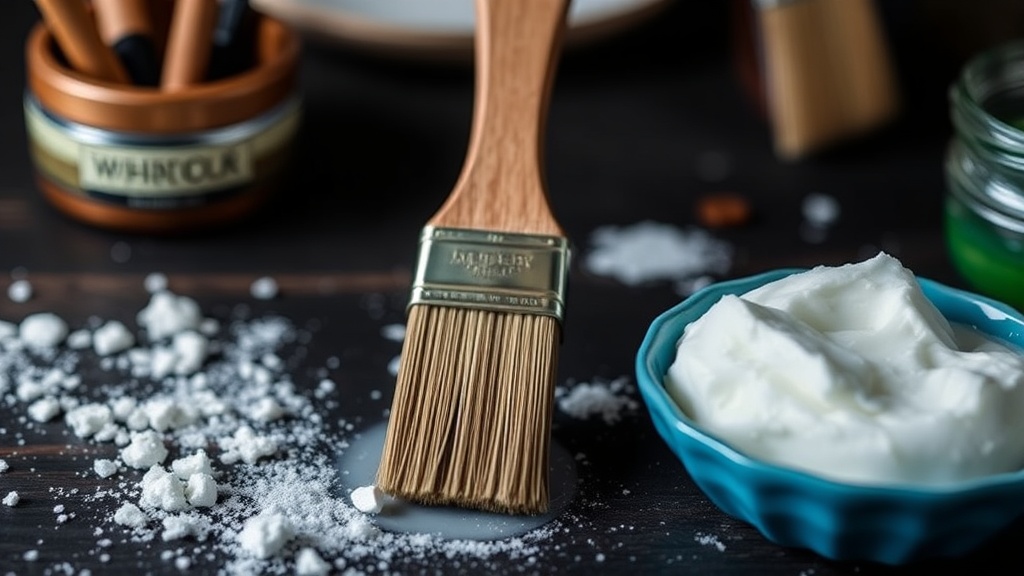
Keep Your Paintbrushes Soft with Natural Soap

Quick Tip
Using a gentle, natural soap helps maintain the shape and softness of your brush bristles much longer than harsh chemicals.
Imagine reaching for your favorite synthetic brush only to find the bristles stiff, scratchy, and completely unusable. This usually happens because leftover pigment dries deep inside the ferrule, hardening the fibers. This post covers how to use natural soap to clean your brushes and why it's a better option than harsh chemical cleaners.
Why Should You Use Natural Soap for Brushes?
Natural soap effectively breaks down pigments without stripping the delicate oils or damaging the structural integrity of the bristles. Most commercial brush cleaners use harsh solvents that can eventually make synthetic hair brittle. Using a gentle, pH-balanced cleanser—like a bar of Castile soap—keeps the bristles supple and ready for your next project.
It's a simple swap. You aren't just cleaning the brush; you're preserving your investment. (And let's be honest, high-quality brushes aren't cheap these days.)
How Do I Clean Paintbrushes with Soap?
To clean your brushes, wet the bristles with lukewarm water, rub the brush against a soap bar to create a lather, and rinse thoroughly. Follow these steps for the best results:
- Wet the bristles: Use lukewarm water (never hot, as hot water can melt the glue in the ferrule).
- Lather up: Rub the brush gently against a bar of Dr. Bronner's or a similar pure soap.
- Massage: Use your fingers to work the soap into the base of the bristles.
- Rinse: Run water through the brush until the water runs completely clear.
- Reshape: Use your fingers to smooth the bristles back into their original shape before drying.
The catch? Don't leave them sitting in a jar of water overnight. That's a one-way ticket to a ruined brush.
Is Natural Soap Better Than Commercial Cleaner?
Natural soap is often better for long-term brush maintenance because it lacks the aggressive drying agents found in many synthetic cleaners. While a specialized cleaner might work faster for heavy acrylics, it can be too harsh for frequent use.
| Feature | Natural Soap (Castile) | Commercial Brush Cleaner |
|---|---|---|
| Bristle Softness | High (keeps oils intact) | Low (can cause brittleness) |
| Cost | Very Low | Moderate to High |
| Eco-Friendly | Yes | Often contains synthetics |
Worth noting—if you're working with heavy oils, you might still need a bit of linseed oil to finish the process. But for daily watercolor or acrylic cleanup, the soap method is hard to beat.
Keep your workspace clean and your tools soft. It makes a massive difference in your final brushwork.