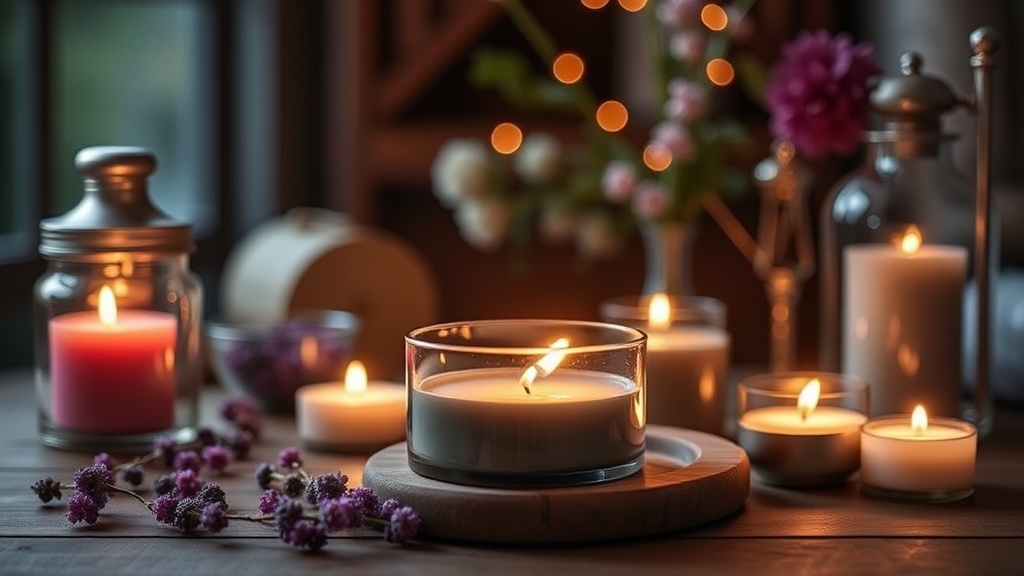
How to Make Beautiful Soy Candles at Home: A Beginner's Guide

Candle making transforms a quiet afternoon into a rewarding creative session—plus the results beat anything from a big-box store. This guide covers everything needed to craft professional-quality soy candles from scratch: the right supplies, proper techniques, and troubleshooting tips that prevent common beginner mistakes. Whether the goal is handmade gifts, home decor, or a potential side business, soy wax offers a cleaner-burning, longer-lasting alternative to paraffin.
What Supplies Are Needed to Make Soy Candles?
The short answer: soy wax, wicks, fragrance oils, containers, a thermometer, and a pouring pot. Quality matters here—cheap materials produce inconsistent results.
Soy Wax Types Explained
Not all soy wax performs the same. Container blends (like Golden Brands 464 or Cargill's NatureWax C-3) come pre-formulated with additives that improve scent throw and adhesion. These work best for jars, tins, and teacups.
Pillar blends stand alone without containers—think molded candles or votives. Beginners should start with container candles. They're forgiving, versatile, and require less equipment.
Wicks: The Make-or-Break Component
The wrong wick ruins a candle. Too small? Tunneling and wasted wax. Too large? Soot and overheating. Cotton wicks work well for soy—brands like ECO or CD offer consistent performance.
Here's a quick reference:
| Container Diameter | Wick Size | Burn Pool |
|---|---|---|
| 2–2.5 inches | ECO 4 or CD 8 | Full melt pool in 2–3 hours |
| 2.5–3 inches | ECO 8 or CD 12 | Even burn, no tunneling |
| 3–3.5 inches | ECO 12 or CD 18 | Strong scent throw |
Always test—variables like fragrance load and dye affect wick performance. (That soy wax behaves differently than paraffin surprises many first-timers.)
Fragrance Oils and Safety
Soy wax holds roughly 6–10% fragrance load by weight. Exceeding this causes seepage (wet, oily tops) or wick clogging. Stick to oils specifically formulated for candles—body-safe fragrance oils often lack the flash point needed for safe burning.
Reliable suppliers include CandleScience, The Flaming Candle, and Aztec Candle & Soap Supplies. Each provides detailed usage rates and safety data sheets.
How Do You Make Soy Candles Step by Step?
The basic process: melt wax, add fragrance at the correct temperature, secure the wick, pour into a prepared container, and cure for at least 24 hours. Precision matters—rushing leads to sinkholes, poor scent throw, and uneven burns.
Step 1: Prepare the Workspace
Cover surfaces with newspaper or a silicone mat. Soy wax cleans up with hot soapy water—but prevention saves time. Set up a double boiler (or dedicated wax melter) and have paper towels within reach.
Prep containers by securing wicks with glue dots or a high-temp glue gun. Centering tools (or chopsticks laid across the rim) keep wicks upright during pouring.
Step 2: Melt the Wax
Heat soy wax to 185°F (85°C). This temperature allows fragrance oils to bind properly with the wax—adding them too cold results in weak scent throw. Use a digital candy thermometer or infrared thermometer for accuracy.
Never leave melting wax unattended. It doesn't boil dramatically like water—instead, it can overheat, degrade, and become a fire hazard.
Step 3: Add Fragrance and Color
Remove the melted wax from heat. Let it cool to 180–185°F, then add fragrance oil. Stir gently but thoroughly for about two minutes—aggressive stirring introduces air bubbles that create frosting (white crystalline patches) later.
For color, soy-compatible liquid dyes or dye chips work best. Start sparingly—deep colors require significant dye loads that can affect burn quality.
Step 4: Pour and Cool
Pour at 135–140°F for smooth tops. Higher temperatures cause shrinkage and sinkholes. Pour slowly and steadily. Tap containers gently on the counter to release trapped air.
Here's the thing—perfectionists hate this part. Soy wax often develops frosting or rough surfaces as it cools. This doesn't affect burn quality, though it does look rustic. For glass-smooth tops, use a heat gun on low to remelt the surface after the candle has fully set.
Step 5: Cure and Test
Soy candles need 7–14 days to cure fully. During this time, the wax continues crystallizing and bonding with fragrance. Burning too soon wastes scent potential.
Trim wicks to ¼ inch before the first burn. Let the candle burn long enough for the melt pool to reach the container edges—usually one hour per inch of diameter. This "memory burn" prevents tunneling in future uses.
What Are Common Soy Candle Problems and How Do You Fix Them?
Wet spots, sinkholes, poor scent throw, and tunneling top the list. Most issues stem from temperature mismatches or improper wick sizing.
Wet Spots and Frosting
Wet spots look like air pockets between wax and glass—they're cosmetic, not functional. Prevention helps: heat containers slightly before pouring, pour at lower temperatures, and cool candles slowly without drafts.
Frosting—that white, crystalline coating on soy candles—is practically inevitable with 100% soy. Some embrace it as proof of natural wax. Others avoid it entirely by using parasoy blends (soy-paraffin mixtures) or adding additives like vybar or universal additive at 1–2%.
Sinkholes and Rough Tops
As soy wax cools, it contracts. Sometimes this leaves sinkholes near the wick or rough, uneven surfaces. The fix? Poke relief holes once the candle sets (but while still warm), then top off with reserved wax. Alternatively, use that heat gun method mentioned earlier.
Poor Scent Throw
Hot throw (scent while burning) disappoints when fragrance loads are too low, oils are added at wrong temperatures, or wicks are undersized. Cold throw (scent while unlit) relies heavily on fragrance quality and cure time.
Worth noting—some fragrances simply perform poorly in soy. Citrus and herbal scents often struggle; vanillas, ambers, and spices typically excel. Check supplier reviews before committing to large batches.
Where Can You Buy Quality Candle Making Supplies?
Online suppliers dominate the market, though some craft stores carry basics. CandleScience offers excellent beginner kits with detailed instructions and reliable wax. Lone Star Candle Supply provides extensive fragrance options and wholesale pricing for larger orders.
For containers, Fillmore Container and Wholesale Supplies Plus stock apothecary jars, tumblers, and tins in bulk. Thrift stores and estate sales yield unique vintage vessels—just ensure they're heat-safe and appropriately sized.
Local options vary. Michaels and Jo-Ann carry basic soy wax and fragrance oils, though selection lags behind online specialists. (Asheville locals might check Earth Guild on Broadway for natural craft supplies—it's been serving the area since 1975.)
Budget Breakdown for Beginners
Startup costs range from $50 (bare minimum) to $200 (well-equipped station). A starter kit from CandleScience runs approximately $75 and produces 12–16 candles. Individual supply breakdown:
- 10 lbs soy wax: $25–35
- 50 cotton wicks: $8–12
- 16 oz fragrance oil: $20–30
- 12 mason jars: $15–20
- Thermometer & pouring pot: $25–35
The catch? Buying in bulk drops per-candle costs dramatically. A single 8 oz soy candle costs roughly $2–3 in materials when supplies are purchased wholesale—compared to $8–12 retail prices for artisan candles.
Can You Sell Homemade Soy Candles?
Absolutely—but legality and safety come first. The Consumer Product Safety Commission regulates candles as consumer products. While home-based businesses face fewer requirements than mass manufacturers, proper labeling and insurance protect against liability.
Labeling Requirements
Every candle needs: manufacturer name/address, net weight, and safety instructions (burn within sight, keep away from drafts, etc.). The National Candle Association provides standardized warning labels that cover liability bases effectively.
Ingredient disclosure isn't federally mandated for candles, though transparency builds customer trust. Many makers list wax type and fragrance notes voluntarily.
Pricing Handmade Candles
Most candle makers use the "times three" rule: materials × 3 = retail price. An 8 oz candle costing $3 in supplies sells for $9–10 wholesale and $18–20 retail. This accounts for labor, overhead, and profit margin.
"The best candle isn't the most complicated one—it's the one that burns cleanly, smells wonderful, and brings genuine joy to the person who made it." — Marcus Côté, Crafting Corner
That said, hobbyists shouldn't pressure themselves to monetize immediately. Candle making offers genuine therapeutic value—the repetitive motions, the creative decisions, the satisfaction of creating something functional and beautiful. Some of the most skilled chandlers (yes, that's the actual term) never sell a single candle. They gift them, hoard them, or simply enjoy the process.
Start small. Master the basics. Document what works. Soy candle making rewards patience and attention to detail—qualities that improve with every batch poured.
Steps
- 1
Prepare Your Workspace and Measure Ingredients
- 2
Melt the Soy Wax and Add Fragrance Oil
- 3
Pour into Containers and Secure the Wick