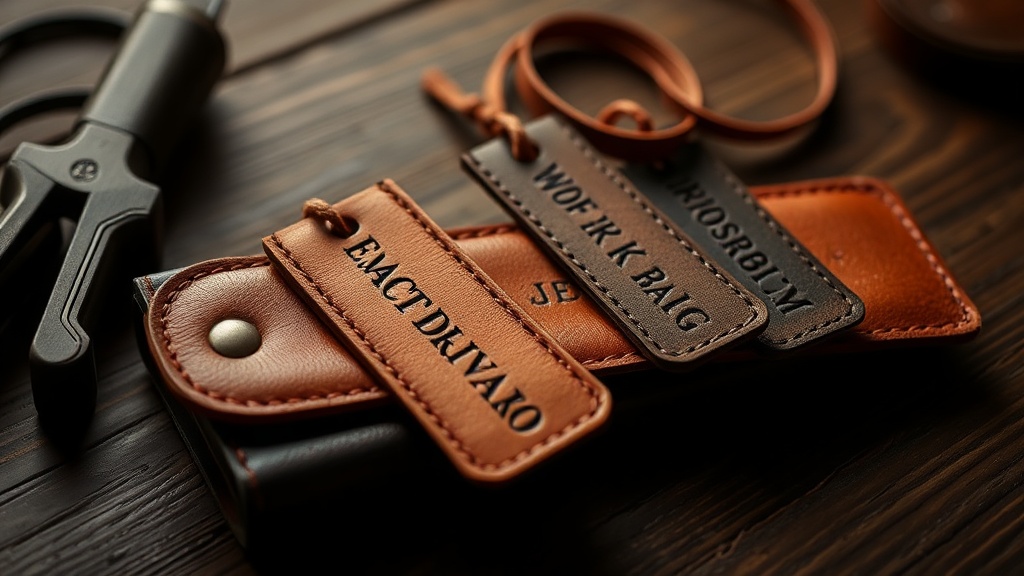
How to Create Beautiful Hand-Stamped Leather Bookmarks at Home

This guide covers everything needed to create hand-stamped leather bookmarks at home—from selecting the right leather and tools to finishing techniques that protect the work. Whether looking for personalized gifts, a new craft hobby, or simply a way to mark pages in style, leather bookmark making offers a satisfying entry point into leatherworking. The process requires minimal investment, produces professional-looking results, and creates items that last for years.
What Materials Do You Need to Make Hand-Stamped Leather Bookmarks?
You'll need vegetable-tanned leather (2-3 ounces in weight works best), a self-healing cutting mat, a mallet or maul, letter and design stamps, a swivel knife for decorative cuts, an edge beveler, and a leather finish such as Fiebing's Leather Balm with Atom Wax. A straight edge ruler, a utility knife with fresh blades, and a stitching pony (optional but helpful) round out the basics.
The leather matters most. Vegetable-tanned leather—sometimes called "veg-tan"—accepts stamps and tooling far better than chrome-tanned alternatives. Tandy Leather sells excellent starter pieces in their Natural Veg-Tan Cowhide line. You'll want leather between 2-3 ounces thick (roughly 0.8-1.2mm) for bookmarks that feel substantial without being bulky.
Stamps come in endless varieties. Start with a basic alphabet set—StampCraft makes reliable entry-level options—and perhaps one decorative border stamp. Metal stamps beat cheaper zinc alternatives for clean impressions. Here's the thing: stamp quality directly affects results. Cheap stamps require more force and produce uneven impressions. That said, beginners can absolutely start with affordable sets from Amazon and upgrade later.
Workspace Setup
Clear a sturdy table. Leatherworking generates noise—the mallet hitting stamps carries—so a garage or basement works better than a dining room during naptime. Lay down the self-healing mat (at least 12x18 inches). Keep stamps organized in shallow containers; digging through piles mid-project interrupts rhythm. Good lighting matters—you need to see the subtle textures and impressions clearly.
How Do You Prepare Leather for Stamping?
Cut the leather to size first—typically 1.5 to 2 inches wide and 6 to 8 inches long for standard bookmarks. Soak the leather in room-temperature water for 30-60 seconds until the surface darkens and feels cool to the touch, then let it rest for 5-10 minutes until it returns to its natural color. This "casing" process softens the fibers for clean stamping.
The catch? Too much water ruins the impression. Soggy leather yields mushy stamps that lack definition. Too dry, and the stamp won't seat properly. Experience teaches the sweet spot—leather that feels slightly cool and supple but not wet.
Use a sharp utility knife and metal straightedge for cutting. Dull blades drag and create ragged edges. Cut in single, confident strokes rather than sawing motions. After cutting, run an edge beveler along all sides—this removes the sharp 90-degree corner and creates that rounded, professional look. Tandy's #2 edge beveler suits this leather weight perfectly.
Design Layout Tips
Plan the design before wetting the leather. Use a pencil to lightly mark center lines and spacing guides on the flesh side (the back). Popular layouts include names centered lengthwise, meaningful dates along one edge, or simple geometric borders. Space letters slightly wider than looks right—the leather compresses during stamping and tightens the spacing.
| Bookmark Size | Best For | Stamp Area |
|---|---|---|
| 1.5" x 6" | Paperbacks, journals | Limited—best for initials or short words |
| 2" x 7" | Hardcovers, standard books | Balanced—names, short quotes, small designs |
| 2.5" x 8" | Coffee table books, Bibles | Generous—longer phrases, complex artwork |
What Is the Proper Technique for Hand-Stamping Leather?
Hold the stamp perpendicular to the leather surface, strike the top firmly with a single confident blow using a polymer or rawhide mallet, then lift straight up without twisting. Consistent pressure and vertical alignment create crisp, uniform impressions.
Start with scrap leather. Seriously—burn through practice pieces before touching the project leather. Stamping is rhythmic: position, strike, lift. Position, strike, lift. The mallet should fall from 6-8 inches above the stamp—enough arc to generate force without wild inaccuracy.
Letter stamping requires spacing judgment. Most alphabet sets include a spacing guide, but eyeballing works too. Place the next stamp so its left edge aligns with approximately the middle of the previous letter. Test spacing on paper first—write the word, measure total width, divide by character count. Worth noting: curved letters (C, S, O) need tighter spacing than straight ones (H, M, W).
Decorative stamps add texture. Border stamps frame the design beautifully. Celtic knots, basket weaves, or simple line stamps from Craft Japan create visual interest. Stamp borders before the lettering—borders establish the frame, and lettering works best when centered within established boundaries.
Avoiding Common Mistakes
Double-stamping happens. The stamp bounces slightly and lands twice, creating ghost images. Prevent this by striking once, hard, rather than tapping multiple times. If a stamp lands crooked, don't try to fix it—embrace the handmade character or start fresh. Attempted corrections usually make matters worse.
Practice rhythm and breathing. Exhale as the mallet falls—tension in the shoulders transfers to shaky stamps. Keep the non-stamping hand clear; missed strikes hurt. (Speaking from observed experience—bruised thumbs teach caution quickly.)
How Do You Finish and Protect Leather Bookmarks?
Let the stamped leather dry completely (2-4 hours), then apply a leather finish using a soft cloth or sponge in thin, even coats. Options include clear acrylic resolene for glossy protection, leather balm for conditioning with subtle sheen, or antique gel for weathered, contrasting effects.
The finish serves two purposes: protection and aesthetics. Unfinished leather absorbs oils from hands, darkens unevenly, and stains easily. A proper sealant creates a barrier while enhancing the visual depth of stamps. Eco-Flo Super Shene offers excellent water resistance and a satin finish popular for bookmarks.
Apply finishes in thin layers. Thick coats pool in stamped impressions, creating cloudy spots. Multiple thin applications build better protection than one heavy pour. Buff between coats with a clean cloth. Most bookmarks need 2-3 layers for durability.
Edge Finishing Options
Slicked edges elevate the final product. After beveling, apply gum tragacanth or edge slicking compound to the edges and rub vigorously with a wood slicker or canvas cloth. The friction melts the fibers, creating a smooth, sealed edge that won't fray. It's optional—but the difference between raw-cut edges and slicked ones is immediately obvious.
Adding a leather cord or tassel personalizes further. Punch a small hole 1/4 inch from the top using a drive punch (1/8 inch size works well), thread waxed linen cord or leather lace through, and knot securely. Tandy sells pre-made tassels, or braid your own from scrap leather strips.
Creative Variations
Once basic stamping feels comfortable, explore techniques. Tooling—using a swivel knife to cut lines and bevelers to create depth—adds dimension. Antiquing applies dark dye to recessed areas, creating shadow and contrast. The same bookmark stamped with "Read" looks entirely different when antiqued versus left natural.
Painted accents work too. Acrylic leather paints from Angelus allow color inside stamped impressions. Apply with a fine brush, wipe excess from the surface immediately, and seal with finish. Keep it subtle—bright colors often look cheaper than earthy tones or simple black.
Marcus Côté creates these bookmarks in a small Asheville studio, selling them at local maker markets and through the craftingcorner.blog shop. The mountain town's craft community influences the aesthetic—natural materials, understated designs, functional beauty. Visitors to the Grove Arcade can find similar handcrafted leather goods from regional artisans year-round.
Hand-stamped leather bookmarks make exceptional gifts. They cost little in materials, travel flat for mailing, and carry the unmistakable weight of handmade craftsmanship. With practice, a single bookmark takes under an hour from raw leather to finished piece. The tools last indefinitely. The skills transfer to larger projects—wallets, belts, journal covers.
Start simple. A name. A date. A small symbol that means something. The leather remembers every strike of the mallet, every careful placement, every moment of focus. Years from now, that bookmark will still mark pages—worn smooth by use, darkened by the oils of a thousand page turns, a quiet testament to an afternoon spent making something real.
Steps
- 1
Prepare Your Leather and Transfer Your Design
- 2
Stamp Your Pattern with Even Pressure
- 3
Add Finishing Touches and Protective Coating